Recognizing Court Reporting: A Summary of Its Function in the Lawful Process
Court reporting is a vital element of the legal system. It assures that every spoken word during depositions and trials is precisely transcribed. This transcription supplies a dependable record for future referral. Court press reporters possess specialized skills and need to browse various technologies. durham court reporting. As the legal landscape progresses, so also does the function of these professionals. Recognizing their impact elevates vital inquiries regarding the future of lawful documentation and responsibility
The Importance of Accurate Transcription in Lawful Process
Accurate transcription plays a crucial duty in lawful procedures, functioning as the structure for justice and accountability. Court reporters, entrusted with recording spoken dialogue throughout depositions and trials, assure that every word is recorded with accuracy. This transcription comes to be a vital document, enabling courts, courts, and attorneys to review the procedures precisely. Mistakes or noninclusions in transcription can bring about misunderstandings, false impressions, and potentially unjustified end results.
These transcripts serve as main documents that can be referenced in future legal activities, appeals, or academic analyses. The stability of the judicial procedure relies greatly on the dependability of these records. The capacity to present a clear, verbatim account of arguments and testimonies is indispensable in promoting the rule of regulation. Consequently, the significance of accurate transcription can not be overstated; it is vital for assuring reasonable tests and maintaining public rely on the legal system.
The Skills and Certifications of Court Reporters
While the function of a stenotype reporter is important in the legal system, it requires an unique collection of qualifications and abilities to guarantee effective efficiency. Effectiveness in shorthand or voice writing is necessary, allowing reporters to capture talked language properly and effectively. In addition, a strong grip of lawful terms and treatments is necessary, as stenotype reporter need to understand complicated conversations that occur throughout tests and hearings.
In addition, focus to information and outstanding paying attention abilities are required to ensure accurate records. Numerous court press reporters possess certification from certified programs, which frequently include rigorous training in transcription strategies and legal ethics. Solid social abilities also play a substantial duty, as reporters regularly engage with witnesses, lawyers, and courts. Ultimately, the combination of technological effectiveness, lawful knowledge, and interpersonal abilities outfits court press reporters to accomplish their obligations efficiently within the judicial system
Different Kinds Of Court Reporting Services
Court reporting services incorporate a range of customized functions customized to meet the demands of the legal system. One famous type is deposition reporting, where stenotype reporter record witness testaments outside of court settings, usually for use in trials. One more service is real-time reporting, which gives immediate transcription throughout process, making it possible for attorneys to gain access to live message feeds. Additionally, some court reporters offer transcription of sound and video clip recordings, making sure exact documents of events.
Closed captioning solutions are likewise offered, making lawful procedures available to individuals with hearing disabilities. Lots of court reporting firms specialize in offering particular lawful fields, such as family regulation, criminal regulation, or business regulation, thus offering customized proficiency. Ultimately, some reporters might offer video deposition solutions, which enhance the documents process through aesthetic context. Each sort of service plays an essential duty in making sure the accuracy and honesty of legal records.
The Technology Behind Modern Court Reporting
Modern court reporting counts heavily on sophisticated innovation to improve precision and effectiveness. Stenography equipments, electronic recording methods, and real-time transcription software program are important parts of this field. These devices not just promote the transcription procedure but also guarantee that lawful process are recorded with accuracy.
Stenography Machines Explained
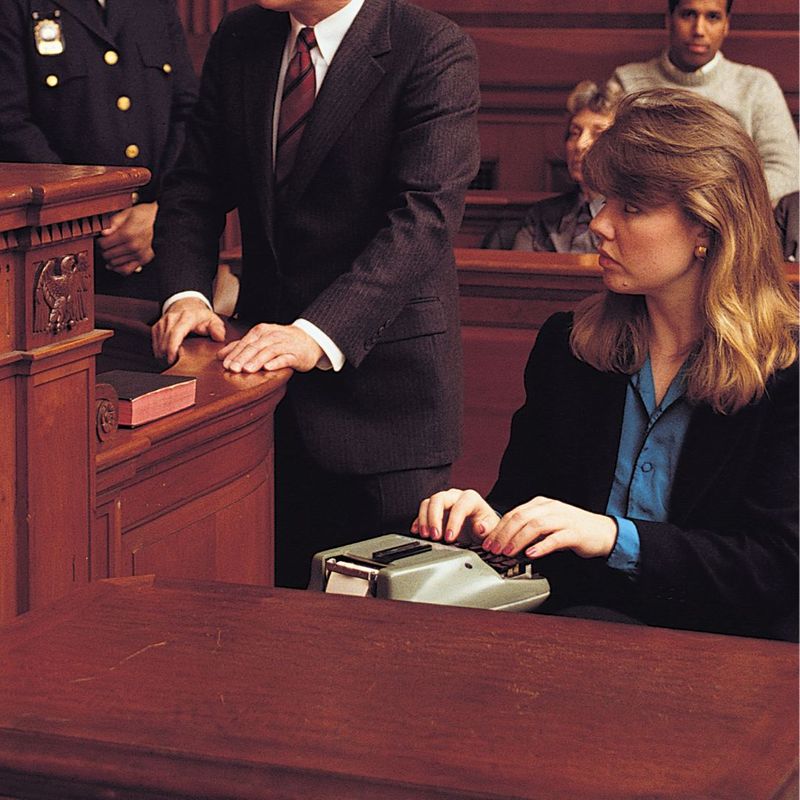
Stenography machines function as the foundation of contemporary court reporting, changing talked words into composed message with amazing efficiency. These specialized devices utilize a special keyboard format that permits court reporters to kind syllables and words phonetically, enabling them to capture dialogue at high speeds. Using shorthand symbols indicates that press reporters can transcribe conversations in real time, making sure accurate records of lawful procedures. Stenography equipments are outfitted with advanced innovation, including software that can convert stenographic notes right into understandable text. This integration of software and hardware significantly improves the speed and accuracy of court reporting, making it a crucial tool in the legal area. Consequently, stenography stays a crucial skill for experts in the court.
Digital Recording Techniques
Innovations in technology have actually increased the tools offered for court reporting beyond typical stenography devices. Digital videotaping methods have actually become a trusted alternative, catching audio and video of legal procedures with high fidelity. These systems make use of microphones and tape-recording tools strategically positioned to ensure clarity and decrease background sound, giving a complete document of statements and conversations. The taped material can be repeated for Read Full Report accuracy throughout transcription, allowing court reporters to verify details effectively. Furthermore, digital recordings can be stored securely for future reference, boosting ease of access and protecting the stability of the legal procedure. As courts welcome these modern innovations, electronic recording techniques play a significantly essential function in keeping accurate and effective documents.
Real-Time Transcription Software
As court rooms progressively embrace technology to boost the legal procedure, real-time transcription software has ended up being a crucial tool for stenotype reporter. This cutting-edge modern technology enables stenotype reporter to record talked discussion promptly, providing instant accessibility to precise records during process. By converting spoken words into text as they are talked, real-time transcription software application helps with effective communication between attorneys, courts, and other court participants. The software application often incorporates with court room audio systems, guaranteeing that Continued every word is captured with precision. Furthermore, it can generate transcripts for evaluation and circulation, streamlining the documents process. Consequently, real-time transcription software not only improves the effectiveness of court reporting however likewise improves the overall access of legal procedures.
The Duty of Court Reporters in Keeping Courtroom Honesty
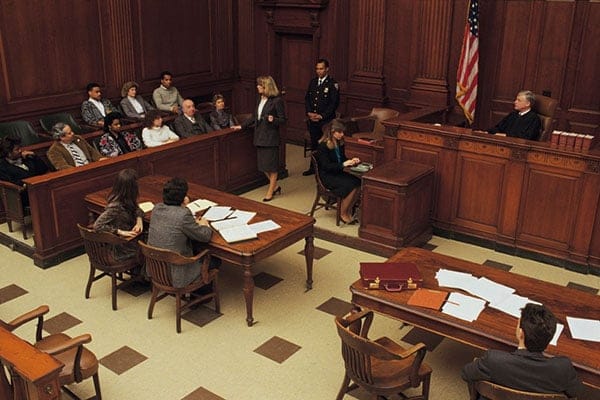
Court press reporters add to the openness of the judicial process. By delivering complete transcripts, they make it possible for the general public and media to access court procedures, cultivating liability. Their presence in the court also aids keep etiquette, as their activities highlight the seriousness of the lawful procedure.
Along with technological abilities, stenotype reporter have to show professionalism and trust and impartiality, essential for maintaining the honesty of the judicial system. Ultimately, their persistent initiatives sustain fair test legal rights and reinforce public self-confidence in the legal structure.
The Future of Court Reporting in an Evolving Legal Landscape
As the lawful landscape evolves, court reporting deals with considerable changes driven by technical advancements and an expanding change towards remote services. These growths are reshaping exactly how stenotype reporter run, affecting both the speed and precision of legal documentation. The future of this profession will likely depend upon its adaptability to these arising fads.
Technical Developments Influencing Reporting
Numerous technological developments are improving the landscape of court reporting, introducing a brand-new age of effectiveness and precision. Digital recording systems have actually come to be commonplace, enabling for specific audio capture during process. These systems usually integrate with transcription software application, helping with faster turn-around times for records. Furthermore, expert system is playing a considerable function in improving the transcription process, with speech recognition innovation helping reporters in generating much more precise documentation. Cloud-based storage space solutions improve ease of access, enabling lawful experts to get and share transcripts conveniently. As these find out innovations remain to evolve, they promise to further transform the court reporting career, boosting the total lawful process while keeping high criteria of professionalism and reliability and honesty.
Change Towards Remote Solutions
The lawful landscape is progressively embracing remote services, reshaping how court reporting is carried out. This shift has been increased by technological improvements and the necessity for flexibility during recent global events. Court reporters now use video clip conferencing platforms to promote depositions and hearings, enabling greater ease of access and performance. Remote solutions allow participation from various places, reducing traveling costs and logistical difficulties. Additionally, electronic transcription devices boost precision and improve the documentation process. As the legal industry adapts, stenotype reporter are needed to develop brand-new skills and acquaint themselves with arising modern technologies. This evolution provides both challenges and chances, pushing the profession in the direction of a more integrated, technology-driven future while maintaining its core commitment to providing exact and trusted lawful documents.
Frequently Asked Concerns
Just How Much Do Court Reporters Normally Gain Each Year?
Stenotype reporter typically make in between $50,000 and $100,000 annually, depending on experience, area, and the demand for solutions. Specialized certifications or abilities can additionally raise their making potential in different lawful settings.
What Is the Ordinary Period of Court Reporting Training Programs?
Court reporting training programs typically last in between 18 months to 2 years. This period differs based on the establishment and the certain educational program, encompassing both theory and functional skills vital for aspiring court press reporters.
Can Court Reporters Job Remotely for Legal Procedures?
Yes, court press reporters can work from another location for lawful procedures, utilizing technology to record audio and video clip feeds. This flexibility enables them to offer precise documentation while keeping the stability of the legal process.
What Is the Difference Between a Stenotype Reporter and a Clerk?
A stenotype reporter specializes in recording legal proceedings, while a clerk concentrates on shorthand composing for numerous contexts, consisting of conferences and conferences. Both duties include recording spoken words but differ in their particular applications and environments.
Are Court Reporters Required to Have Accreditations or Licenses?
Yes, stenotype reporter are commonly required to acquire licenses or accreditations. These qualifications assure they possess the essential skills and expertise to precisely transcribe lawful process, preserving the honesty of the judicial procedure.
Several court press reporters possess qualification from accredited programs, which typically consist of rigorous training in transcription techniques and legal values. One popular type is deposition reporting, where court reporters record witness testaments outside of court setups, commonly for usage in trials. As court rooms increasingly adopt modern technology to enhance the legal process, real-time transcription software program has come to be a necessary tool for court reporters. Yes, court reporters can work remotely for legal procedures, making use of technology to record sound and video feeds. A court press reporter specializes in transcribing legal process, while a stenographer focuses on shorthand creating for numerous contexts, including seminars and meetings.